
What’s Inside a Spark Plug? A Hidden Treasure of Metals
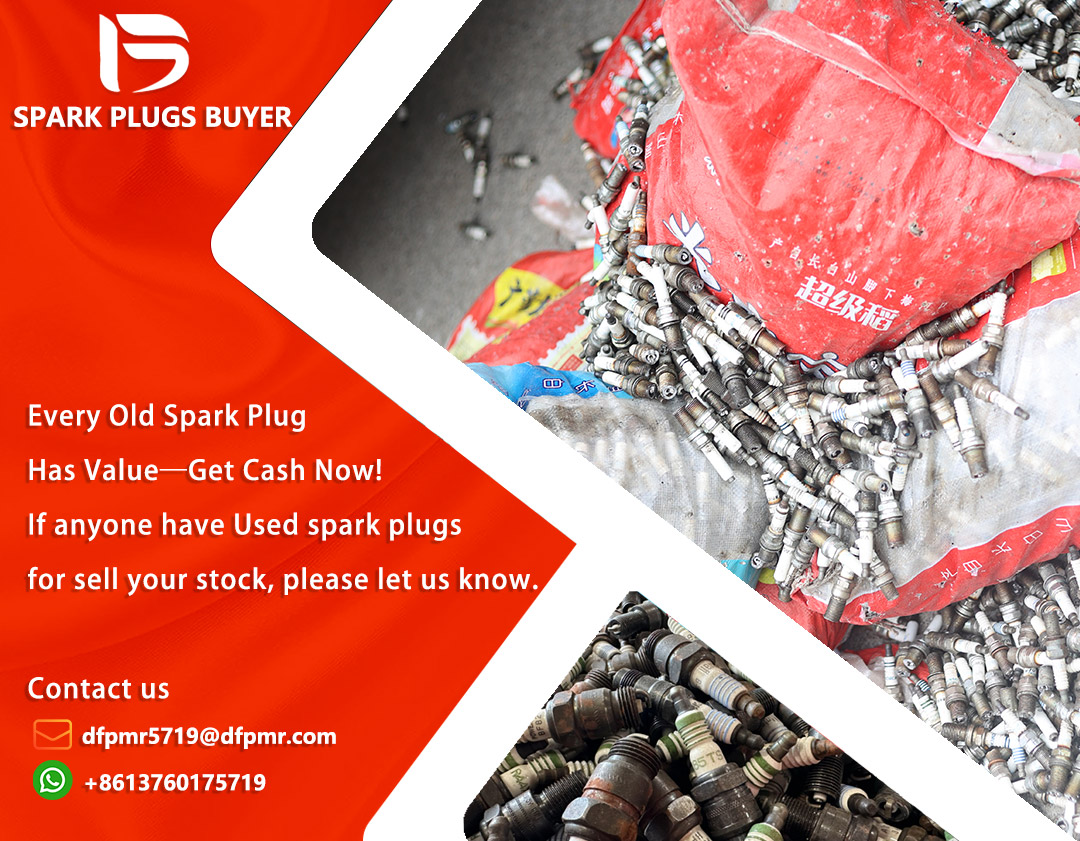
This is especially true for businesses that collect spark plugs in bulk—whether from automotive repair shops, scrapyards, or manufacturing waste streams. Over time, even small quantities of PGMs per unit can translate into significant economic returns when properly recovered and refined.
Product Details
At first glance, a spark plug seems like a simple piece of equipment—just another component in the vast network of an engine’s internal workings. Composed mostly of metal and ceramic, it’s small, unassuming, and easily overlooked. But beneath that modest exterior lies a surprising secret: valuable and rare metals that make spark plugs far more significant than they appear.
The Role of Spark Plugs in Engines
Spark plugs play a vital role in igniting the fuel-air mixture in internal combustion engines. They endure extreme conditions—heat, pressure, and constant electrical discharge—thousands of times per minute. To perform reliably under such stress, modern spark plugs are engineered using a combination of tough materials, including high-grade ceramics and heat-resistant alloys.
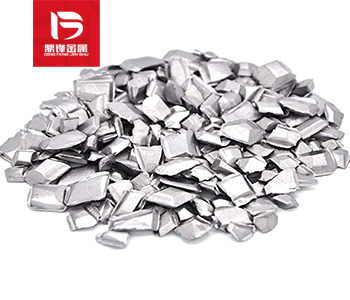
However, the true hidden value lies in the electrodes—specifically, the use of precious metals like platinum, palladium, and iridium. These are part of a family of elements known as the Platinum Group Metals (PGMs), which are prized for their durability, heat resistance, and unique electrical properties.
A Closer Look at the Precious Metals Inside
Let’s break down what makes these metals so valuable in spark plug manufacturing:
1. Platinum
Platinum is well-known for its resistance to corrosion and oxidation, even at high temperatures. In spark plugs, it’s often used to coat one or both of the electrodes. This coating increases the lifespan of the spark plug and maintains efficient performance over time, reducing the need for frequent replacements.
2. Palladium
Palladium offers excellent conductivity and is often used in similar applications to platinum, albeit at a slightly lower cost. It improves the spark plug’s ability to transfer electrical energy, enhancing ignition performance and fuel efficiency. Its role is especially valued in high-performance and emission-sensitive engines.
3. Iridium
Iridium is one of the rarest and most corrosion-resistant elements on the planet. It enables the production of ultra-fine electrode tips—sometimes as thin as 0.4 mm—while still withstanding the brutal conditions inside an engine cylinder. This allows for more efficient spark generation and improved combustion, translating to better fuel economy and lower emissions.
Trace Amounts, Massive Value
Individually, each spark plug contains only a tiny fraction of these precious metals—often just a few milligrams. However, when multiplied by the millions of spark plugs produced and discarded worldwide each year, the total volume of recoverable PGMs becomes substantial. What looks like metal scrap is, in fact, a strategic source of rare materials.
This is especially true for businesses that collect spark plugs in bulk—whether from automotive repair shops, scrapyards, or manufacturing waste streams. Over time, even small quantities of PGMs per unit can translate into significant economic returns when properly recovered and refined.