
The Complete Process of Aircraft Spark Plug Recycling
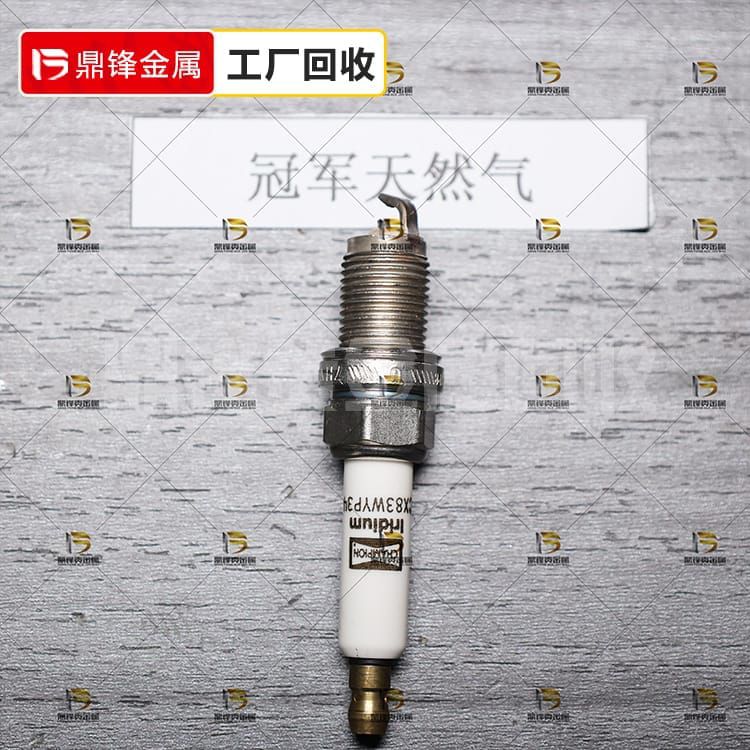
Recycling aircraft spark plugs is a meticulous process that ensures maximum material recovery while meeting strict aviation standards. The journey begins when maintenance crews remove used plugs during routine engine servicing. Technicians first perform visual inspections, separating plugs that might be refurbished from those destined for material recovery.
Product Details
Recycling aircraft spark plugs is a meticulous process that ensures maximum material recovery while meeting strict aviation standards. The journey begins when maintenance crews remove used plugs during routine engine servicing. Technicians first perform visual inspections, separating plugs that might be refurbished from those destined for material recovery.
For plugs undergoing full recycling, the process involves several precise steps:
Degreasing - Special solvents remove oil and fuel residues
Disassembly - Automated machines carefully separate metal shells from ceramic insulators
Material Separation - Magnets and eddy currents sort ferrous and non-ferrous metals
Precious Metal Recovery - Platinum or iridium electrodes undergo chemical extraction
Quality Verification - Recovered materials are tested for purity before reuse
The aviation industry particularly values this process because it recovers up to 98% of precious metals while reducing hazardous waste. Many major operators have established dedicated recycling programs, with some recovering over 50 pounds of platinum annually just from spark plugs. Environmental benefits are equally impressive - recycling just 100 aircraft spark plugs saves enough energy to power a small aircraft hangar for an entire day.
2. Understanding the True Value of Recycled Aircraft Spark Plugs
Keywords: aircraft spark plug scrap value, precious metals in spark plugs, aviation recycling economics
The economic case for recycling aircraft spark plugs becomes clear when examining their material composition. A typical aviation spark plug contains:
Platinum or iridium electrodes (0.1-0.3g per plug)
Nickel alloy shells (15-20g)
Copper core conductors (5-8g)
Current market values make this combination surprisingly valuable:
Platinum: Approximately $30/gram
Iridium: About $160/gram
Nickel alloys: $5-7/pound
Copper: $3-4/pound
When processed in bulk, these materials add up significantly. A medium-sized operator replacing 500 plugs annually could recover:
100g platinum ($3,000 value)
20 pounds nickel ($120)
8 pounds copper ($32)
Factoring in core return programs from manufacturers, the total recovery often exceeds 50,000 from systematic spark plug recycling programs. These numbers don't include the avoided costs of hazardous waste disposal, which typically runs $2-5 per plug when not recycled.